Energy Storage
Store energy during periods of low electricity prices. It can also store "green electricity" through photovoltaic power generation

Comprehensive energy solutions engineered for performance and reliability
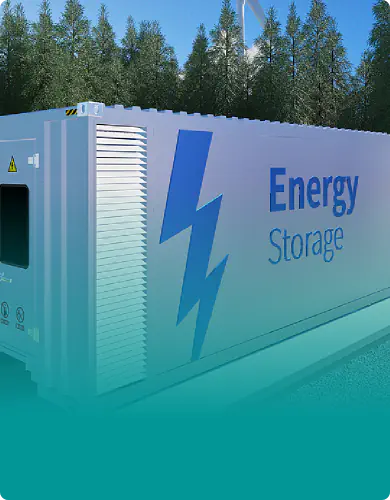
Store energy during periods of low electricity prices. It can also store "green electricity" through photovoltaic power generation
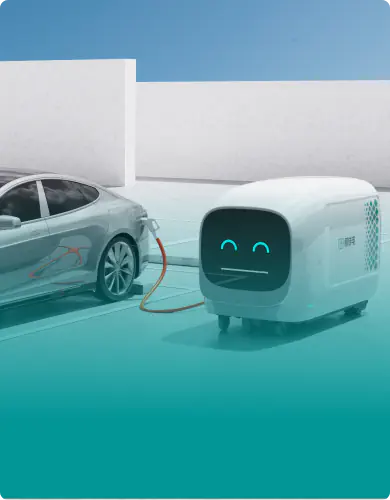
Charge through WeChat, Alipay Mini Programs, APP, or by scanning the device's QR code.

Supports wireless charging and M - Grid power - feeding functions, and can move freely without being restricted by the power grid.
Highways, Shopping Malls, Industrial Parks, Airports, Hotels, Residential Communities, Exhibition Halls, Scenic Spots, Government and Enterprise Institutions

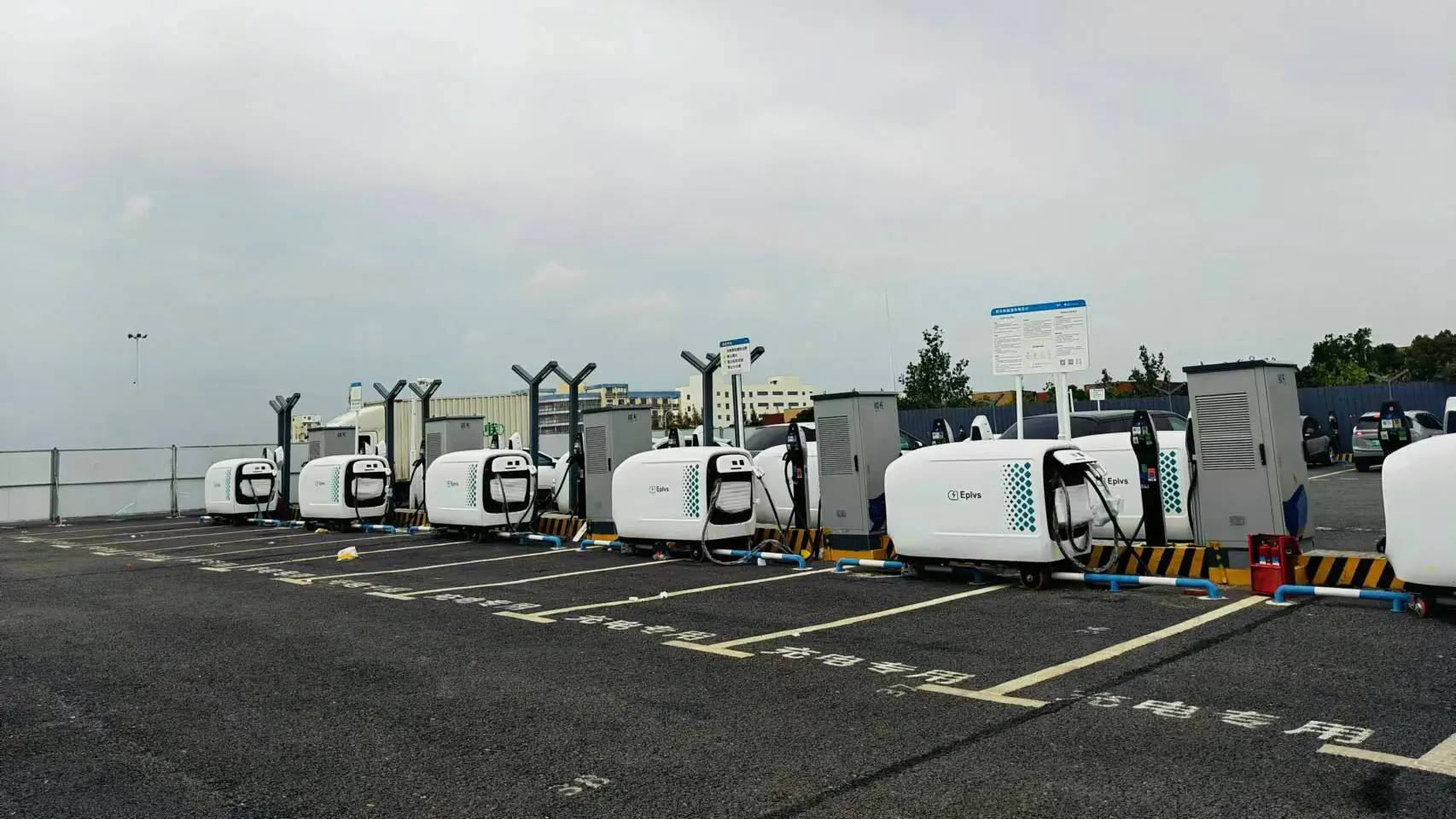
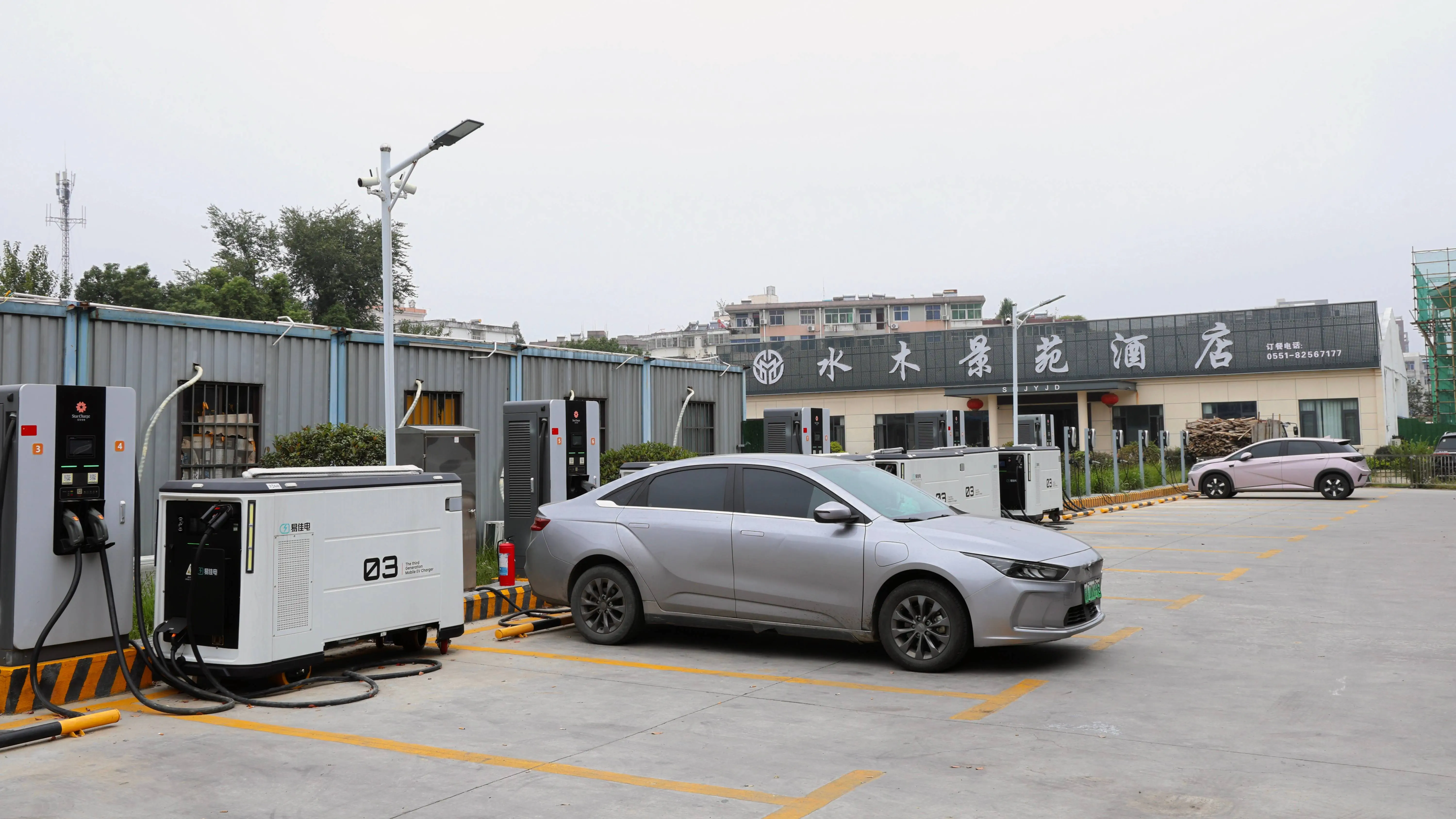
Flexible charging deployment for urban and suburban roadside scenes.
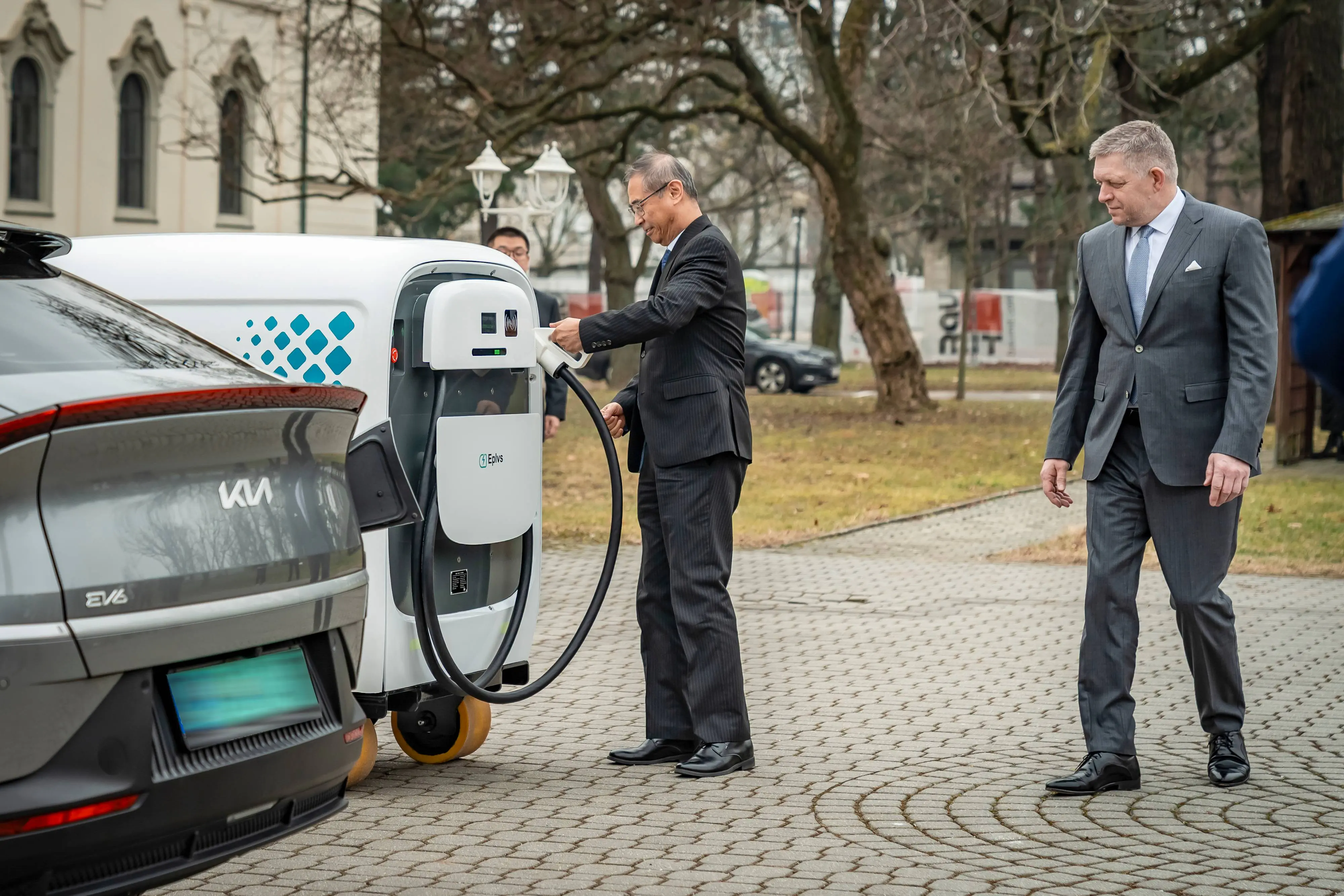
Fast emergency charging support for fleets and public charging points.
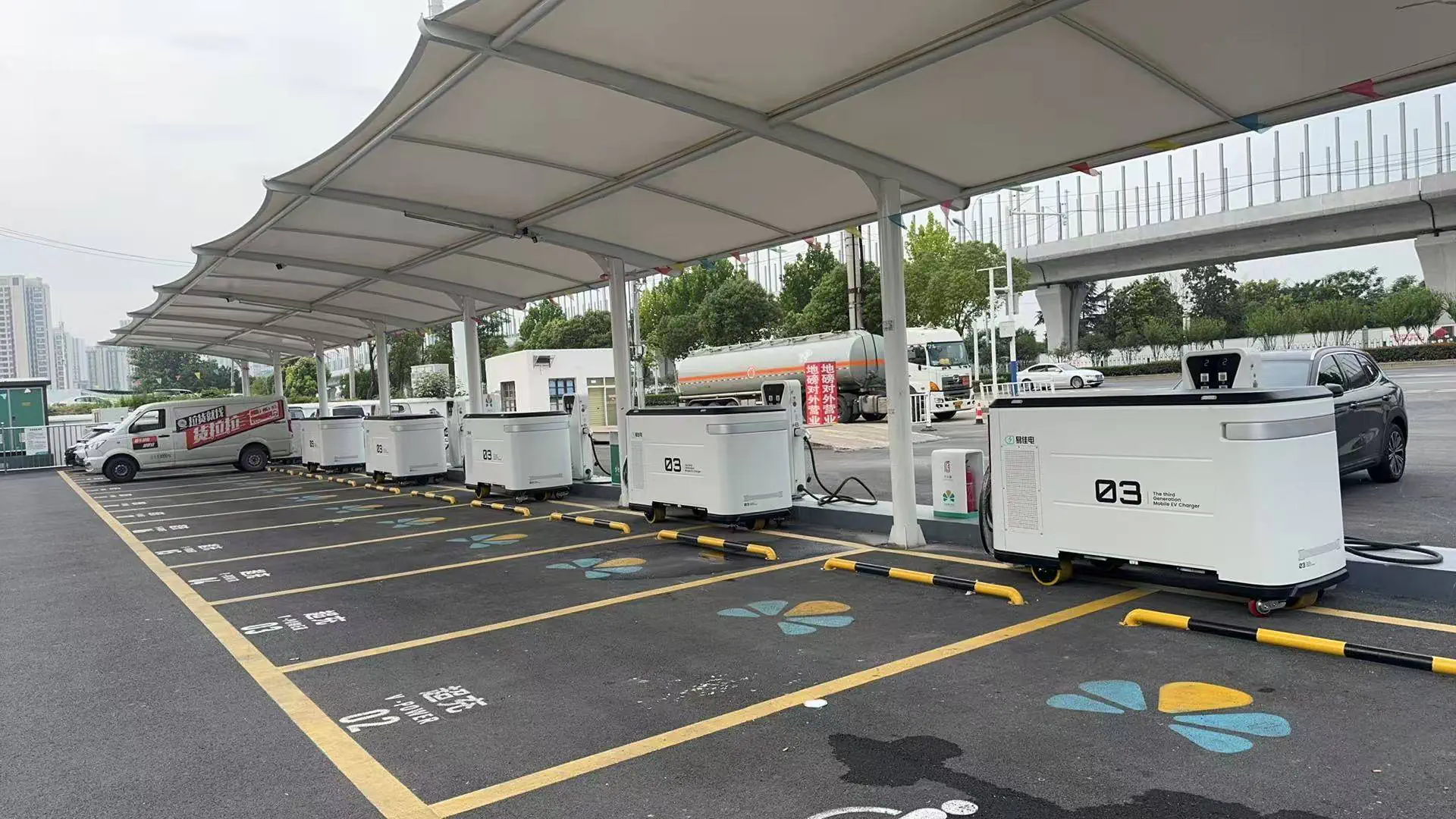
Reliable mobile charging solutions supporting urban deployment and service response.
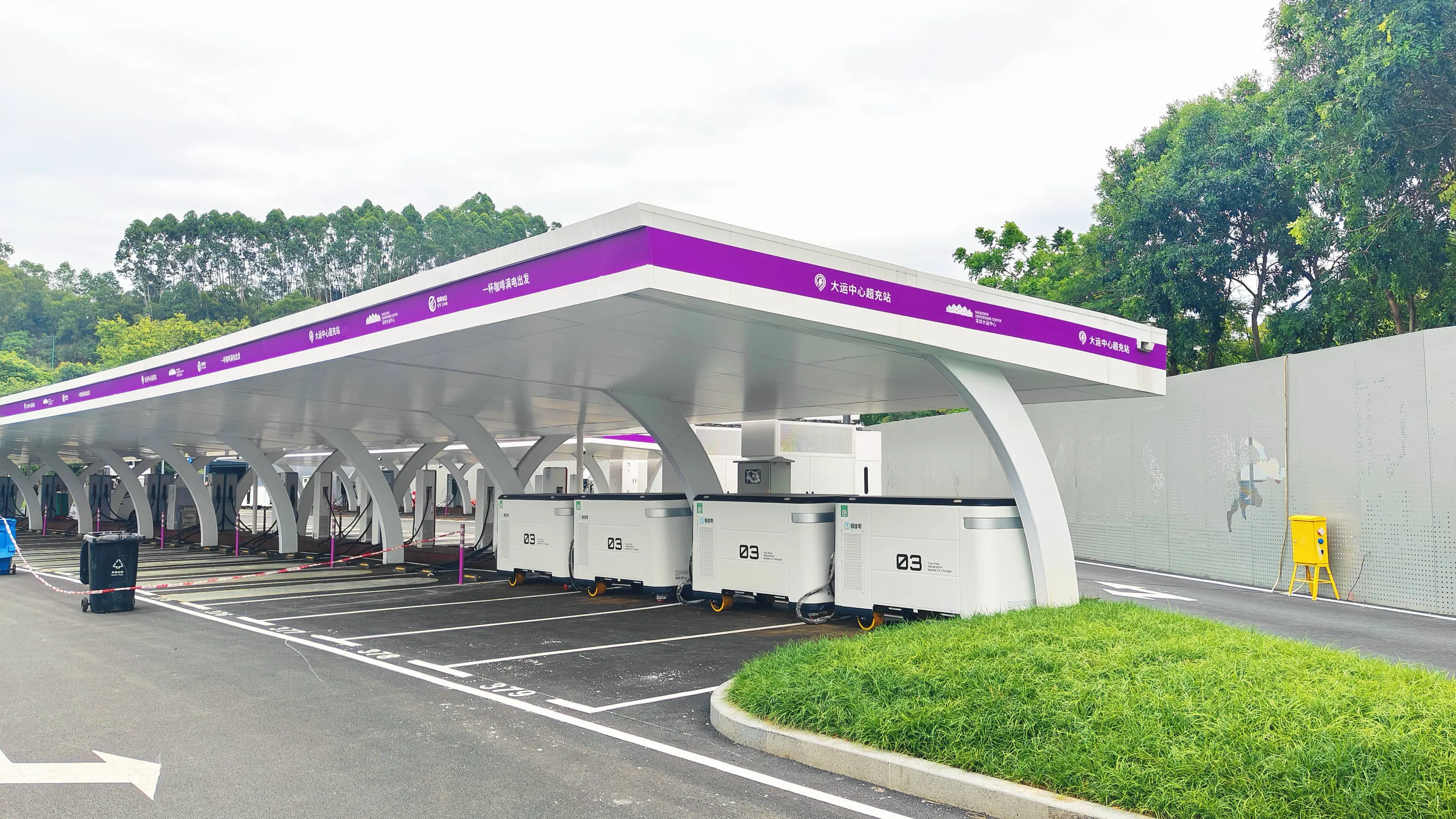
Localized operation and maintenance for high-temperature scenarios.
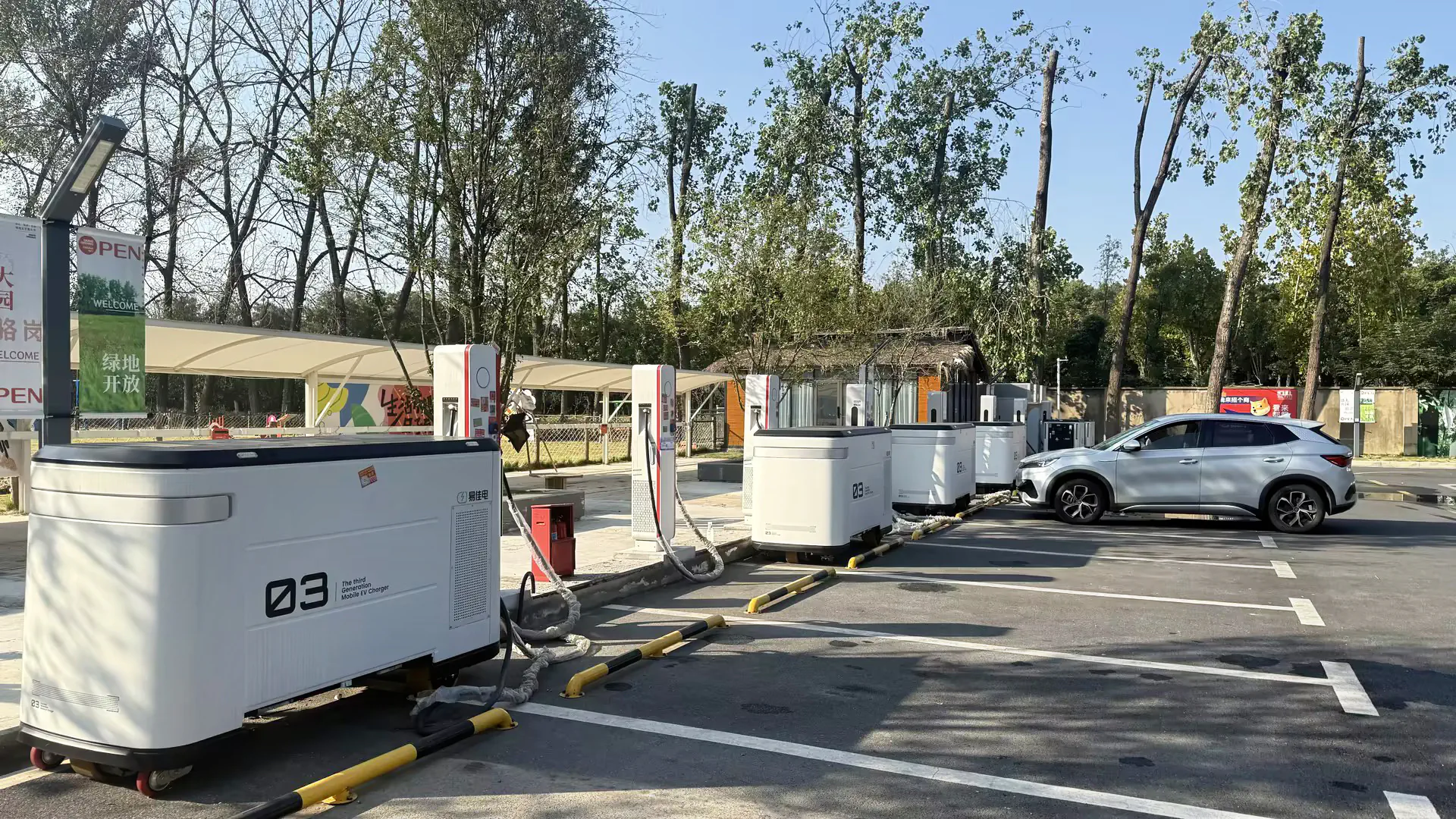
R&D and service center for global mobile charging solutions.
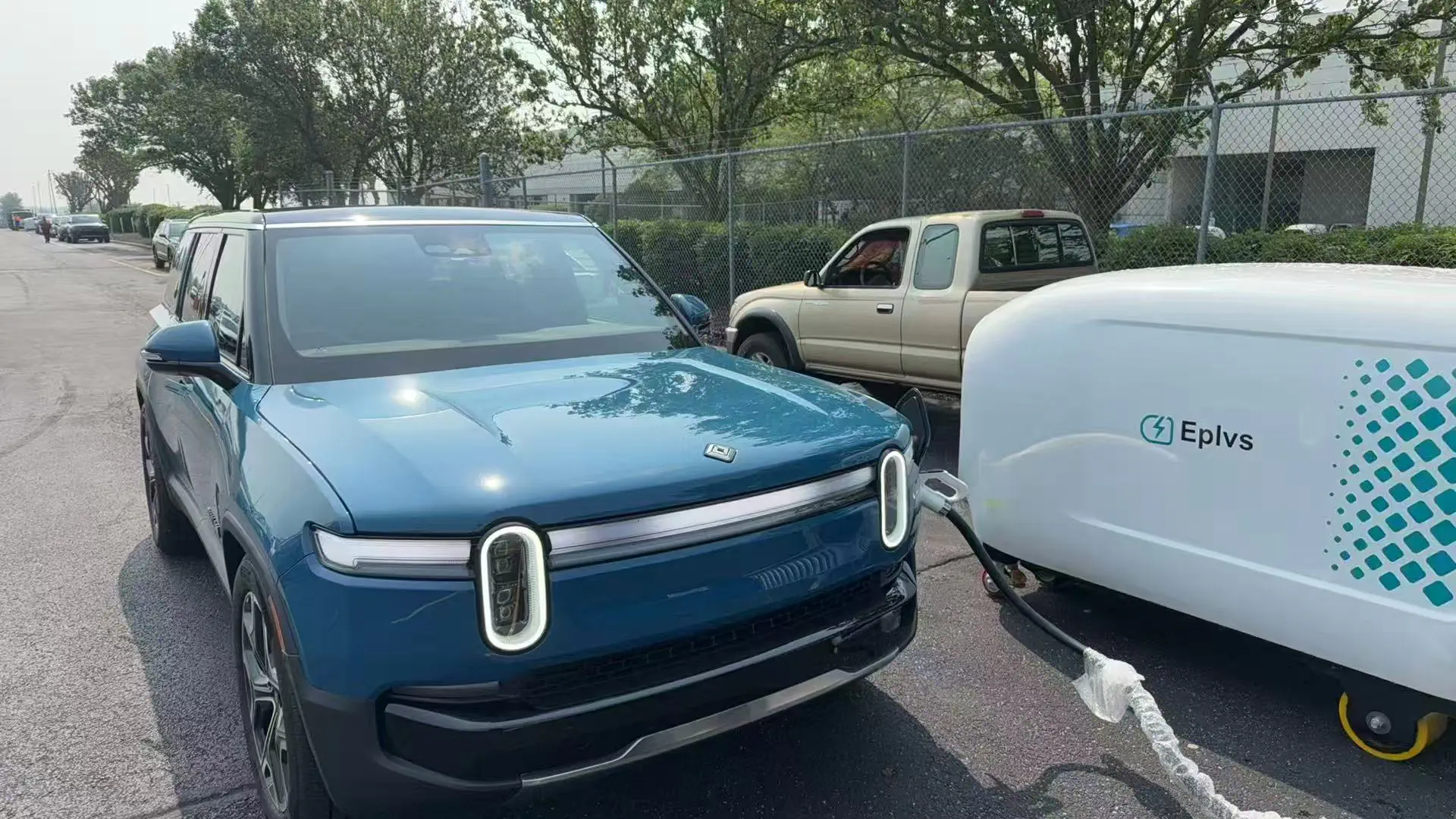
Roadside assistance integration for rapid EV charging dispatch.

Mobile charging support for fleet operations and regional service networks.
Truck fleet energy replenishment with on-demand charging capability.
Find answers to common questions about our products and solutions
Smart EV chargers integrate IoT connectivity, real-time monitoring, and intelligent load management. They can coordinate with vehicles, site energy systems, and (when online) cloud platforms to optimize charging schedules, reduce electricity costs, and improve site or grid stability. Standard chargers primarily deliver power with limited or no networked control and optimization features.
Dynamic Load Balancing continuously measures available site power and distributes it across active chargers so the site stays within its contracted capacity. When demand from vehicles or building loads changes, charging power is adjusted in real time to avoid nuisance trips while keeping as many vehicles charging as possible.
Smart charging can shift energy to lower-price periods (time-of-use tariffs), cap simultaneous demand to reduce demand charges, and prioritize vehicles that must depart soonest. Combined with reporting, fleets gain visibility into kWh, sessions, and costs to refine schedules and depot upgrades.
Core charging can often continue with local control if connectivity is temporarily lost. Remote monitoring, firmware updates, OCPP session uploads, fleet billing integration, and cloud-based optimization typically need a stable network. Architectures usually combine local safety limits with online services when available.
OCPP (Open Charge Point Protocol) is an open standard for communication between charge points and central systems (CSMS). It reduces vendor lock-in, simplifies roaming and billing integrations, and makes it easier to operate mixed fleets and multi-brand sites with one operations platform.
Yes—when designed into the site architecture, smart chargers can work alongside PV inverters and battery storage to consume on-site renewable generation, limit grid import or export, and support resilience goals. The exact integration path depends on the EMS/BMS, communication interfaces, and local electrical protection design.
Billing is typically handled by the charging management system: sessions are metered at the charger, attributed to a user or fleet account (RFID, app, or plug-and-charge where supported), and rated by tariff rules. Payments may be processed through a payment gateway, invoicing for fleets, or roaming agreements between operators.
Public AC and DC chargers follow regional connector standards (for example CCS, CHAdeMO, or Type 2, depending on market). A vehicle is compatible when it supports the same connector and protocol and stays within the charger’s voltage and current envelope. Smart features still depend on vehicle-side acceptance, BMS limits, and optional standards such as ISO 15118 where implemented.
A portable EV charging station is a movable charging solution for depots, events, roadside assistance, or temporary sites. It typically combines power conversion, controls, and cabling— sometimes with integrated batteries or hybrid sources—so charging can be deployed without waiting for fixed civil infrastructure.
Depending on product design, portable DC systems may accept grid AC input, mobile generator sets, or stored energy from an onboard battery pack. The source must meet the charger’s input voltage, frequency, grounding, and protection requirements in the manual and under local electrical codes.
Not necessarily. Battery-buffered or hybrid portable units can operate where the grid is weak or unavailable for a period, using stored energy or a generator input. Grid-tied-only units need a suitable grid connection for sustained operation.
Compatibility depends on connector type, DC voltage range, maximum current, and the protocol supported by both charger and vehicle. Most commercial EVs using the regional DC fast-charging standard can charge when those parameters align; confirm edge cases with the vehicle manufacturer data sheet.
Duration depends on usable battery energy, state of charge, temperature, and the vehicle’s accepted DC power curve. Power often tapers after roughly 70–80% SOC, so time is not simply “battery kWh ÷ 60 kW.” Use OEM charging curves or logged sessions for fleet planning.
G3-series mobile charging follows the same physical limits as other DC solutions: peak power, vehicle BMS limits, and battery thermal management shape the curve. Refer to the published datasheet for your configuration for headline figures; validate with representative vehicles for fleet planning.
Industrial mobile chargers use IP-rated enclosures, thermal management, and component de-rating for high or low ambient conditions. In extreme cold, pre-conditioning may reduce initial charge acceptance; in heat, cooling helps sustain power. Operate only within the environmental limits in the product documentation.
Typical deployments include logistics depots, highway service areas, airports, exhibitions, construction sites, emergency staging, and temporary events. Suitability depends on access, grounding, ventilation, local regulations, and permitted power sources.
Integrated storage can buffer demand charges, reduce peak grid import, enable deployment before permanent grid upgrades, and deliver short bursts of high-power DC output. It also supports limited resilience when the grid is unreliable.
Operators should receive basic safety and startup training: connection sequence, emergency stop, cable handling, and first-line diagnostics. Maintenance follows the manufacturer’s service plan—inspections, firmware updates, cooling checks, and certified service for high-voltage modules per local regulations.
EPLVS supports B2B programs including OEM/ODM for branding, industrial design, software interfaces, and regional certifications—subject to scope, volumes, and compliance targets. Share your requirements (connectors, power levels, network stack, and markets) and our sales team will propose a roadmap and validation plan.